 2026-07-14
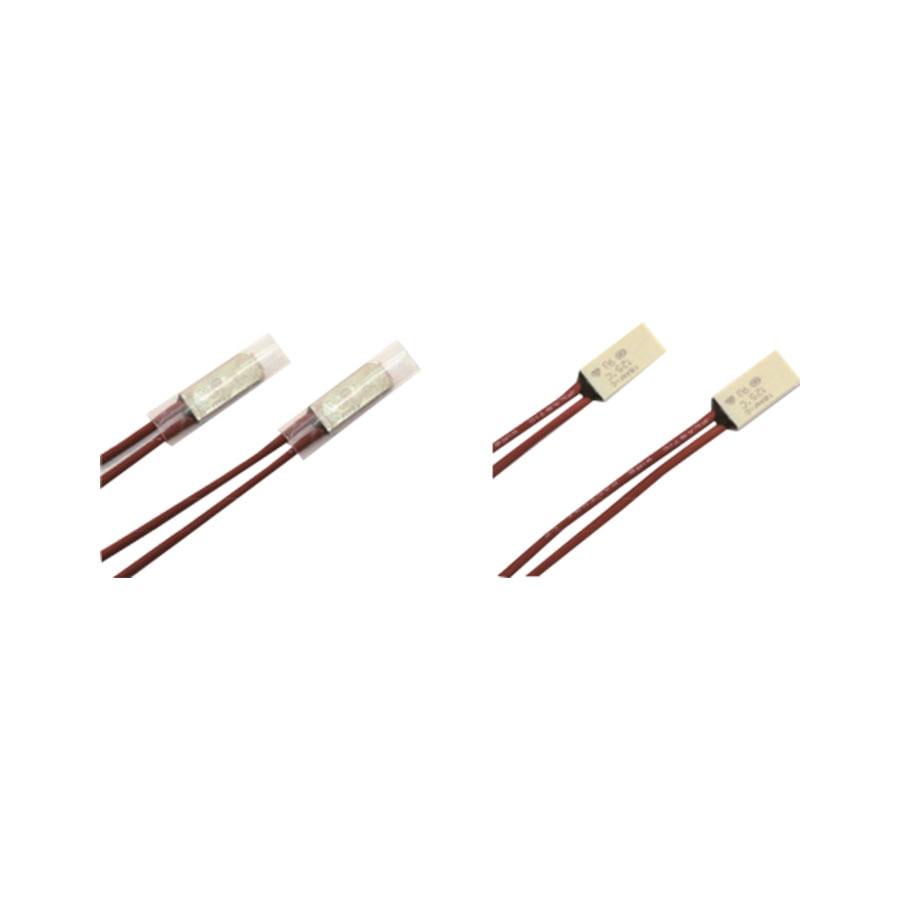
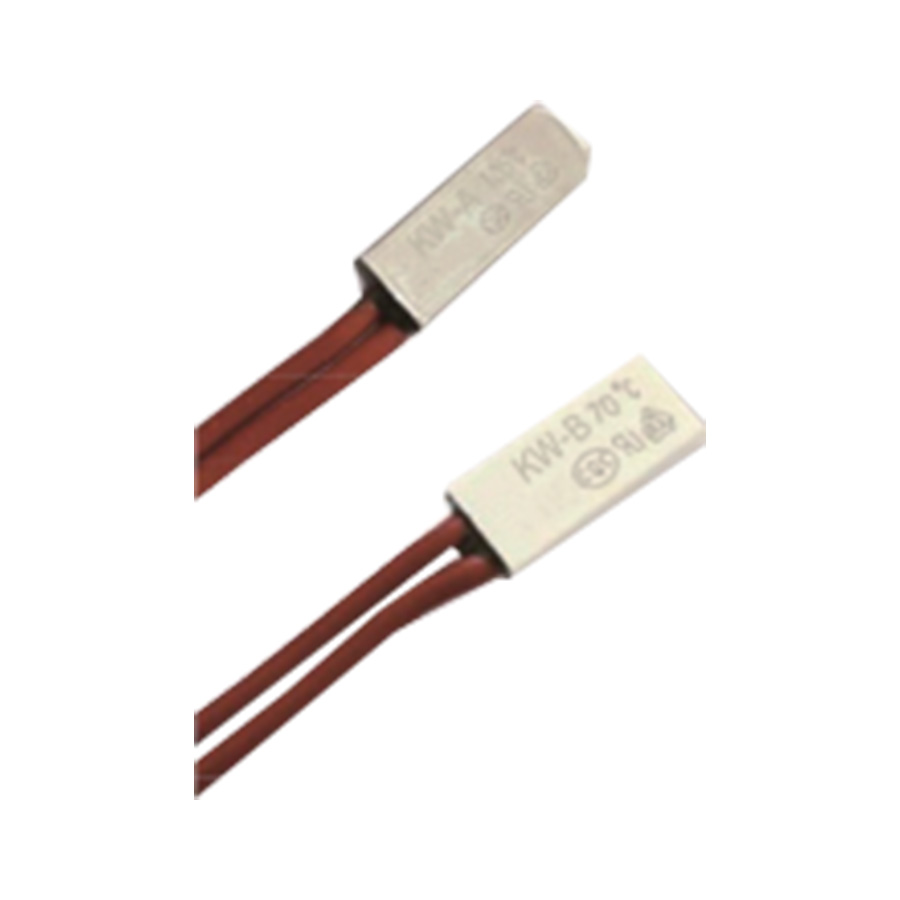
 A thermal protector is a small but critical safety device built into motors, transformers, compressors, and countless other electrical appliances. Its job is simple: watch the temperature of the equipment it's attached to, and cut off power the moment things get dangerously hot. Without a thermal protector, an overheating motor could keep running until the windings melt, the insulation burns, or worse, a fire starts. Think of it as a built-in bodyguard that never sleeps, constantly checking whether the device it's protecting is running within safe temperature limits.
You'll find thermal protectors hiding inside things you use every day, refrigerator compressors, washing machine motors, power tools, HVAC blowers, and even small kitchen appliances like blenders and hair dryers. Most people never think about them until something goes wrong, but understanding how a thermal protector works can save you money on repairs and help you avoid replacing an appliance too soon.
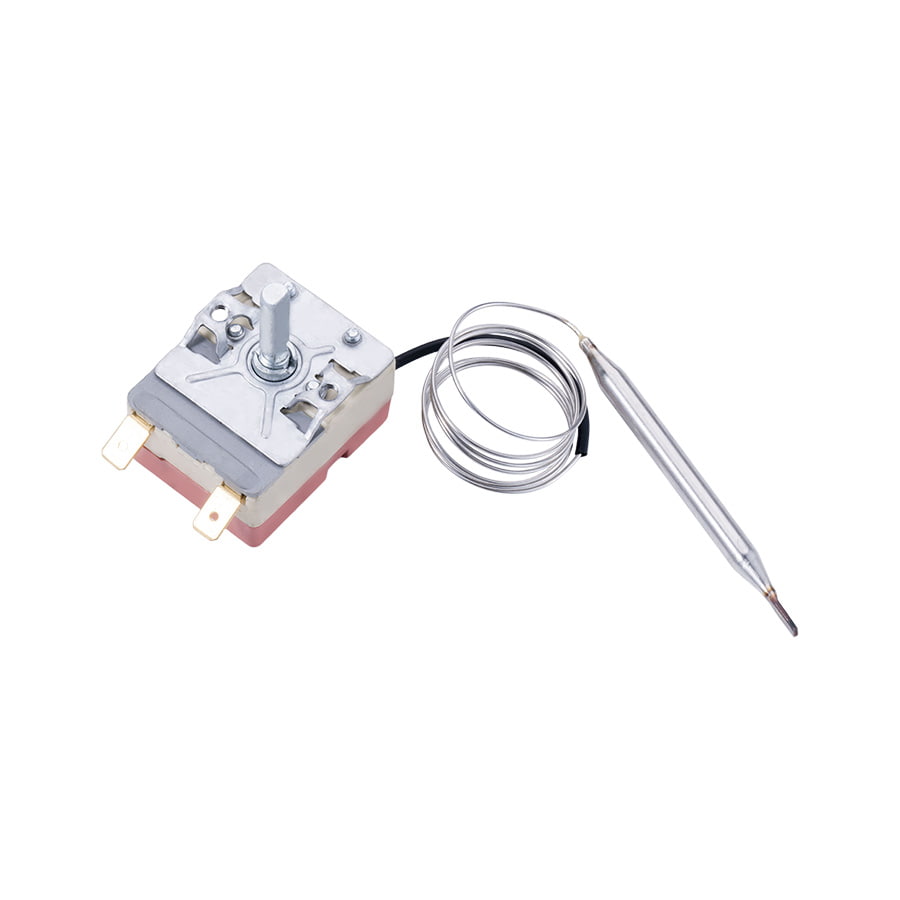
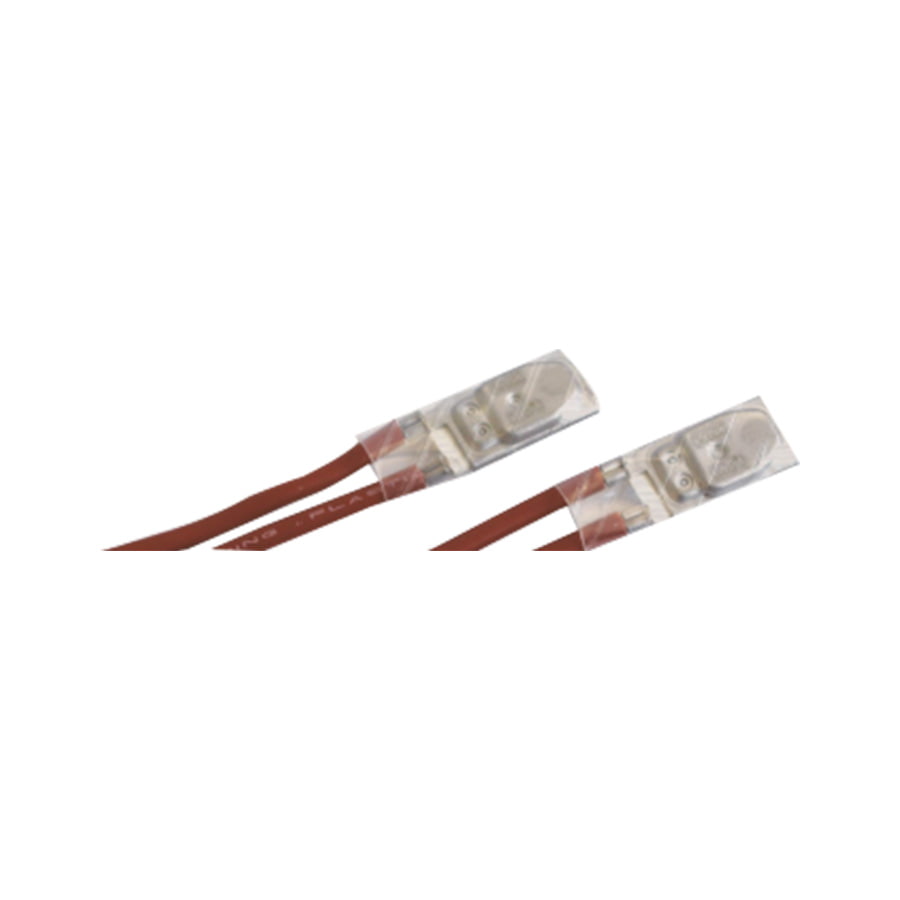
Most thermal protectors rely on a bimetallic disc, a small round piece made of two different metals bonded together. Each metal expands at a different rate when heated. As the temperature climbs, the disc bends and flexes until it physically snaps open, breaking the electrical circuit. Once the circuit is broken, power to the motor stops immediately, giving the equipment a chance to cool down before any real damage occurs.
These reset themselves automatically once the temperature drops back to a safe range. They're commonly used in appliances where a brief interruption doesn't cause much inconvenience, like a refrigerator compressor or a small fan motor. The downside is that if the underlying problem isn't fixed, the protector will just keep tripping over and over.
These require a person to press a reset button after the unit has cooled down. Manufacturers use manual reset protectors on equipment where an unexpected automatic restart could be dangerous, such as power tools or certain industrial motors. This design forces someone to physically check the equipment before it's allowed to run again.
Thermal protectors show up in nearly every industry that relies on electric motors or heating elements. Below are some of the most common places you'll find them at work.
Not all thermal protectors are built the same way. Depending on the application, manufacturers choose different designs to balance cost, reliability, and safety. The table below breaks down the most common types.
| Type | Reset Method | Typical Use |
| Bimetallic Disc Protector | Automatic or Manual | Small motors, appliances |
| Thermal Fuse | Non-resettable, needs replacement | Dryers, heaters |
| Thermistor-Based Protector | Automatic, electronic sensing | Industrial motors, transformers |
| Klixon-Style Protector | Automatic | Compressors, refrigeration units |
Each thermal protector type has strengths depending on how the equipment is used. Thermal fuses, for example, are a one-time safety net, once they blow, they must be replaced, which makes them ideal for equipment where safety matters more than convenience, like clothes dryers where a fire risk is a genuine concern.
A malfunctioning thermal protector can cause frustrating symptoms that are easy to mistake for other problems. Here are the warning signs worth paying attention to.
If you notice any of these signs, it's worth checking whether the thermal protector itself has failed, or whether it's doing its job correctly by responding to a deeper issue like a jammed motor, poor ventilation, or a failing capacitor.
Testing a thermal protector doesn't require professional equipment, just a basic multimeter and a bit of patience. First, disconnect the appliance from power completely for safety. Locate the thermal protector, usually a small round or oval component attached directly to the motor housing or wiring harness. Set your multimeter to the continuity or resistance setting, then touch the probes to each terminal of the protector.
A healthy thermal protector at room temperature should show continuity, meaning the circuit is closed and electricity can pass through. If the multimeter shows no continuity at all, even though the component is cool, that's a strong sign the protector has failed and needs replacing. Keep in mind that some manual reset protectors need the reset button pressed before they'll show continuity, so don't skip that step before concluding it's defective.
If you're replacing a thermal protector or designing a new piece of equipment, picking the right one matters more than people realize. Using the wrong trip temperature or current rating can mean the difference between a protector that saves your motor and one that either trips too often or doesn't trip soon enough.
Every thermal protector is rated to trip at a specific temperature, commonly somewhere between 90°C and 150°C depending on the application. Always match this rating to the manufacturer's original specification. Installing a protector rated too high defeats the purpose of having one in the first place.
The protector also needs to handle the amperage draw of the motor it's protecting. A protector rated too low will trip constantly under normal load, while one rated too high may fail to cut power before real damage happens.
A surprising number of appliance repairs go wrong simply because someone bypasses or mishandles the thermal protector. Here are mistakes worth avoiding.
Bypassing a thermal protector might get an appliance running again temporarily, but it removes the one safeguard standing between normal operation and a potential fire hazard. Whenever a protector keeps tripping, it's almost always signaling a real problem that deserves attention rather than a quick workaround.
A thermal protector might be one of the smallest parts inside a motor or appliance, but it plays an outsized role in preventing overheating, fires, and expensive damage. Whether you're maintaining household appliances or industrial equipment, understanding how these devices work, recognizing failure signs early, and choosing the correct replacement part can extend the life of your equipment significantly. Paying attention to this small component now can save you from a much bigger headache later.
 KategoriGönderiyi Tavsiye Et


Fenglan Çin'de Elektrikli Hassas Parça Üreticisi, Otomotiv Hassas Parça Üreticileri ve Endüstriyel Hassas Parça Tedarikçileri. 2010'dan Bu Yana Parça ve Komponent İmalatında Güvenilir Ortağınız
 Tel: +86-13861233850
  E-mail: [email protected]
  Add: No.60, Doğu Zhuanghe Yolu, Chunjiang Kasabası, Wei Köyü, Xinbei Bölgesi, Changzhou Şehri, Çin
  Gizlilik


 +86-13861233850
 2025-09-17